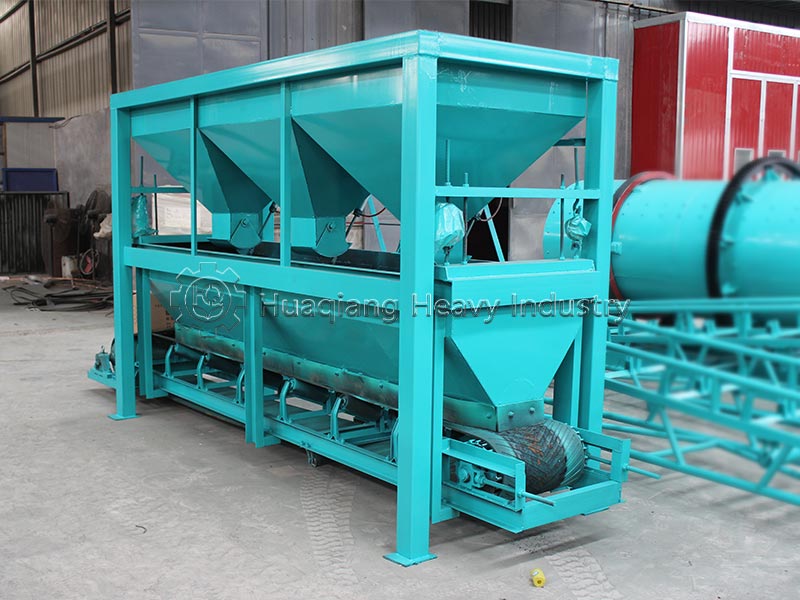
Methods to Improve Batching Speed in Multiple Silos Single Weigh Static Batching Systems
- Optimize the feeding mode of the multiple silos single weigh static batching systems. Implement a fast-feed + slow-replenishment system, with a high initial flow rate to approach the set value, automatically switching to a low flow rate for precise replenishment as the weight approaches the target. This significantly shortens the main material feeding time, maintaining both accuracy and speed, and avoiding slow feeding throughout the entire process.
- Increase the specifications of the conveyor equipment and improve the feeding flow rate. Replace with a large-diameter variable frequency screw conveyor to increase the feeding volume per unit time; clean the inner wall of the conveyor to remove clumps and sticky materials, ensuring smooth material flow and reducing time wasted due to jamming.
- Streamline the batching sequence by merging similar raw materials. Group raw materials with similar flowability and specific gravity in a unified manner to reduce the waiting time for zeroing the scale and unloading; standardize commonly used formulas to reduce the time spent repeatedly adjusting system parameters and shorten program switching time. 4. Improve material condition and eliminate bridging and blockage. Control the raw material to a reasonable moisture content to avoid dampness and clumping; install anti-bridging devices and vibrators in the silo to prevent material arching and interruption, ensuring continuous and stable feeding and eliminating unnecessary downtime.
- Shorten the discharge and return gap. Increase the opening of the weighing hopper discharge valve to accelerate the discharge speed; optimize the electrical control program to shorten the delay time for discharge, reset, and zeroing after batching, reducing gaps between processes.
- Debug and calibrate the electrical control and weighing systems. Regularly calibrate the weighing sensor to reduce weighing fluctuations; reduce unnecessary stabilization delays, shortening the material’s stationary weighing time within the allowable error range; optimize the PLC program’s operating rhythm to improve system response speed.
- Optimize the silo layout. Shorten the conveying distance from the silo to the weighing hopper, reducing material conveying travel; use buffer hoppers to prepare frequently used raw materials in advance, further compressing the overall batching cycle.
In summary, prioritizing fast and slow feeding speeds, along with material unblocking and anti-clogging measures, and optimizing electronic control delay and conveying efficiency, can effectively improve overall batching efficiency and adapt to production line capacity requirements without altering the single-scale structure.