
Multiple Silos Single Weigh Type
Our Services
Have a
project in
mind?
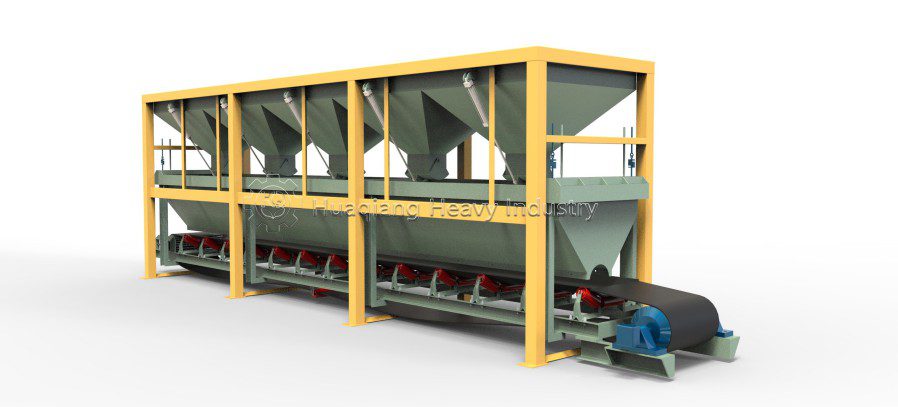
Multiple Silos Single Weigh Type
The multi-silo single-weighing static automatic batching system is an automatic batching device that can be used in conjunction with BB fertilizer equipment, organic fertilizer equipment, compound fertilizer equipment, and blended fertilizer equipment. This equipment is used for weighing, distributing, and mixing multiple raw materials individually, replacing manual platform scales or volumetric metering methods. It features high metering accuracy, fast distribution efficiency, and a high degree of automation, making it a key component of complete fertilizer production equipment.
The multi-silo single-weighing static automatic batching system adopts an integrated “multi-silo, one-scale” design—multiple raw material silos share a single high-precision weighing unit, with each silo sequentially feeding material into the same weighing hopper. The system is equipped with an intelligent PLC control system and comprehensive protection design, including overload protection, emergency shutdown, and material detection safety devices. The enclosed silos and conveying structure effectively reduce dust spillage. Since this system involves the coordinated operation of multiple subsystems, including mechanical, pneumatic, electrical, control, and weighing systems, establishing a scientific and standardized operation, maintenance, and troubleshooting system is fundamental to ensuring the long-term, efficient, and stable operation of the equipment.
Equipment Structure
From an operational and maintenance perspective, a multi-silo single-weighing static automatic batching system can be divided into the following functional modules:
(I) Storage Module: Includes 3-8 independent raw material silos and level sensors.
(II) Feeding Module: Includes a vibrator, rotary valve, pneumatic batching valve (pneumatic butterfly valve, slide gate valve), feeding motor, frequency converter, etc.
(III) Weighing Module: Includes load cells, junction box, weighing hopper, and weighing instrument. The weighing hopper has flexible connections at the top and bottom.
(IV) Discharge Module: Includes a pneumatic flap valve (or electric valve).
(V) Control Module: Includes a PLC controller, host computer, and human-machine interface.
(VI) Conveying Module: Includes a belt conveyor and mixing tank, etc.

Application range of equipment
Multi-silo single-unit static automatic batching systems are widely used in industries such as fertilizers, chemicals, building materials, and metallurgy. They are particularly suitable for production scenarios where the formula contains many types of raw materials with large differences in proportion.
Types of available raw materials
The multi-silo, single-unit static automatic batching system can handle a wide variety of raw materials, including fertilizer raw materials (urea, potassium chloride, monoammonium phosphate, etc.), organic raw materials (livestock manure, humic acid, etc.), and additives (micronutrients, biological agents, etc.). Each silo is independently configured, effectively preventing cross-contamination.
Working principle of the equipment
The multi-silo single-weighing static automatic batching system operates on the principle of coordinated operation of sensors, PLC controllers, and actuators. According to the set formula, the system sequentially controls the feeding devices of each silo to add material to the weighing hopper. Weighing sensors monitor weight changes in real time, stopping feeding when the set value is reached. All materials are discharged uniformly after batching.
Equipment operation method
(I) Pre-start Preparation: Check that each hopper has sufficient raw materials. Check that the weighing sensors and junction boxes are functioning properly. Check that the feeding device is operating normally. Check that the pneumatic system pressure is normal. Check that all flexible connections are intact.
(II) Formula Setting and Startup: Retrieve or input the formula through the human-machine interface. Set the target weight and error range for each raw material. Start the automatic batching program.
(III) Operation Monitoring: Monitor the weighing data displayed on the instrument or host computer in real time. Observe the operating status of each piece of equipment. When an abnormality occurs, the system will immediately sound an audible and visual alarm and locate the fault point.
(IV) Shutdown Operation: After completing the batching task, shut down each piece of equipment in sequence. Maintain equipment usage and maintenance records and complete shift handover procedures.
Equipment maintenance methods
(I) Daily Maintenance: Inspect the equipment daily. Observe whether the scale body is deformed or corroded. Check the load cells, junction boxes, and cables for proper functioning. Check the working status of all pneumatic components.
(II) Periodic Maintenance: Clean, lubricate, and calibrate the equipment regularly. Regularly inspect the feeding/discharging mechanisms, pneumatic valves, flexible connections, and other components. Regularly check the working status of the vibrator.
(III) Calibration Management: The system should be calibrated regularly. Recalibration is required after troubleshooting any issues with the batching system.
Equipment troubleshooting
Inaccurate weighing: Check if the sensor is under even force. Replace damaged or damp sensors. Check if water has entered the junction box. Recalibrate the scale after troubleshooting.
Instrument display values fluctuate: Check if water has entered the junction box or if the circuit board is damp.
No material feeding or poor feeding: Check if there is raw material in the hopper. Check if the raw material is clumped. Check if the pneumatic valve or feeding motor is damaged. Check for poor contact in the circuit.
Material blockage: Adjust the feeding speed. Optimize the hopper cone angle design. Use a vibrator to assist feeding.
Pneumatic system failure: Check if the air supply pressure is sufficient. Check if the solenoid valve is damaged. Clear any blockages in the air passages.
Damaged flexible connection: Replace the damaged flexible connection promptly.
The target audience for the equipment
The target audience for multi-silo single-unit static automatic batching systems mainly includes: equipment operators and maintenance personnel in fertilizer production enterprises; production line managers; equipment procurement and management personnel; and various fertilizer production enterprises that need to achieve automated batching and improve batching accuracy.