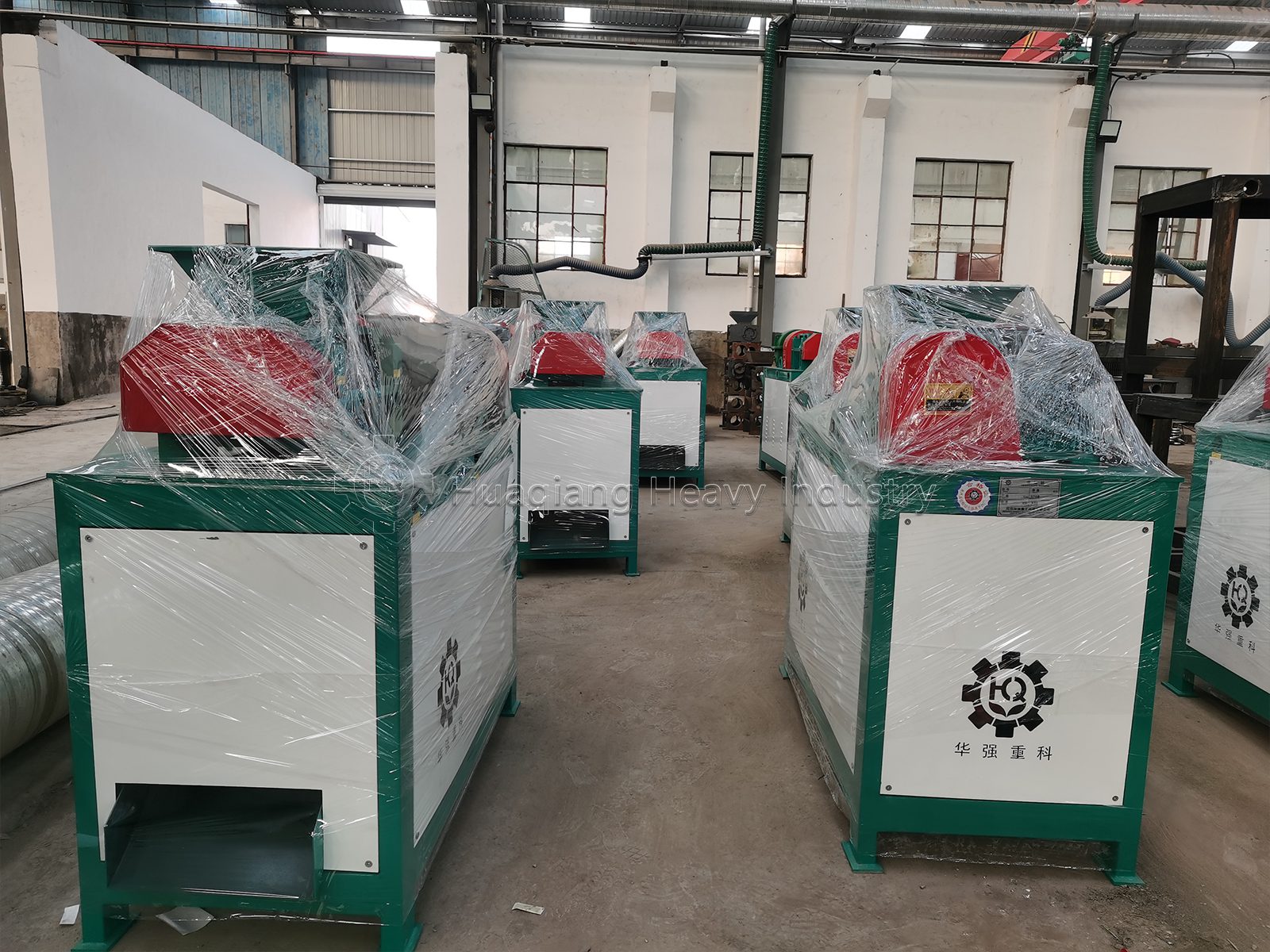
Reasons Why Double Roller Press Granulators Are Unsuitable for Organic Fertilizer Production
Double roller press granulators are better suited for high-purity, dry-powder chemical fertilizers; they possess significant inherent drawbacks when used for processing composted organic fertilizer, making their overall suitability far inferior to that of stirring-tooth granulators.
First, the process imposes strict requirements on raw material moisture content—standards that organic fertilizers struggle to meet. Extrusion requires materials to be dried to a moisture level of 15%–22% for proper forming, whereas typical raw materials like composted manure, straw, and fungal residue generally contain 35%–60% moisture. Utilizing extrusion granulation necessitates the addition of high-power drying equipment for pre-processing dehydration, which drastically increases fuel and electricity costs and lengthens the roller press granulator production line—expenses that are difficult for small and medium-sized organic fertilizer plants to bear.
Second, the coarse fibers found in organic fertilizers frequently cause equipment blockages and wear. Organic fertilizers contain significant amounts of straw and grass fibers; these materials are bulky and tough, making them difficult to compact when fed into the roller molds. Fibers easily wrap around roller shafts and clog mold grooves, requiring frequent shutdowns for cleaning and severely hampering continuous production efficiency. Continuous friction from coarse fibers accelerates wear on the roller surfaces, leading to high replacement costs and heavy maintenance workloads.
Furthermore, the finished granules are of poor quality and have low market acceptance. Extrusion produces flattened, disc-shaped granules that are irregular in shape and lack porosity, resulting in slow decomposition rates when applied to soil. In contrast, organic fertilizers are valued for their slow-release properties and soil-improving capabilities, where rounded, porous granules better facilitate microbial colonization. Extruded granules are excessively hard and difficult to break down; when used for bio-organic fertilizers, this hardness can inhibit microbial activity, conflicting with the intended characteristics of the product.
Finally, issues regarding raw material stickiness are difficult to manage. Composted organic matter is inherently sticky and prone to re-absorbing moisture and clumping even after drying. This leads to material bridging in hoppers, inconsistent metering, and uneven nutrient mixing. Additionally, the process generates a high proportion of “fines” (powdered material) after extrusion; these must be re-dried and re-extruded, causing material loss through recycling and reducing the final product yield. Considering raw material characteristics, equipment wear, production energy consumption, and the quality of the finished product, the double-roller extrusion granulator is suitable only for high-purity inorganic compound fertilizers and is not the preferred choice for organic fertilizer production.