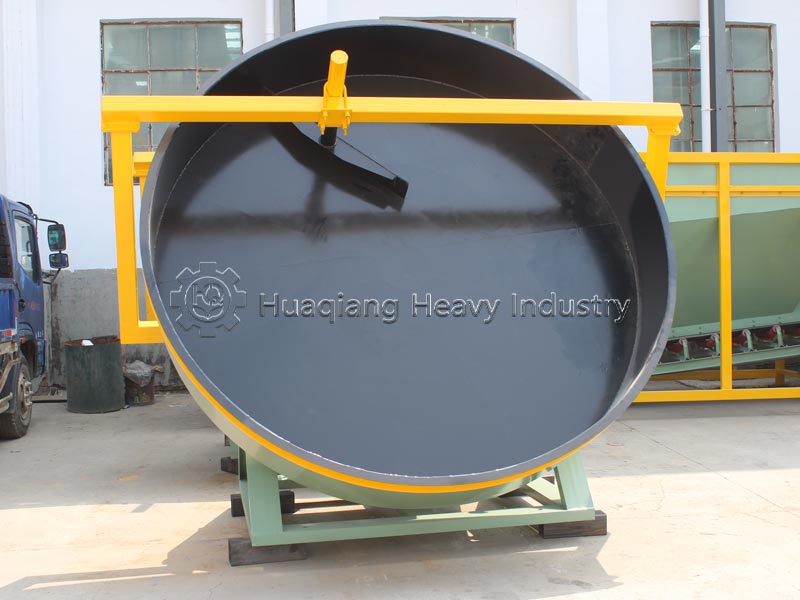
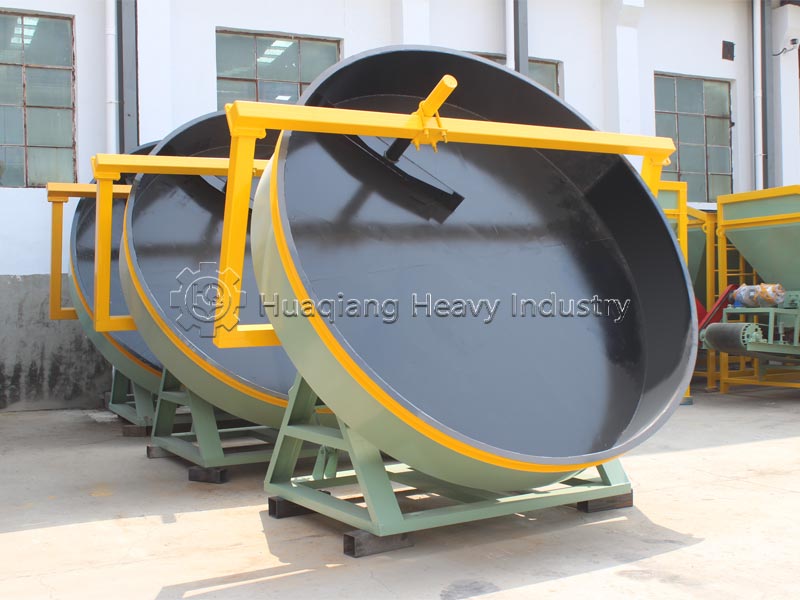
The Core Contribution of Organic Fertilizer Disc Granulators to the Ecological Environment
As a core piece of equipment in organic fertilizer production, the bio disk organic fertilizer machine, with its technology adapted to the resource utilization of organic raw materials, contributes to ecological environment improvement from multiple dimensions, including pollution reduction at the source, resource recycling, and ecological restoration. It is an important piece of equipment for green agricultural development and ecological protection, and its ecological contribution is reflected in the release of environmental value throughout the entire industrial chain:
1. Promoting the resource utilization of agricultural solid waste and reducing pollution at the source. The equipment can efficiently process agricultural and organic waste such as livestock and poultry manure, straw, mushroom residue, and kitchen waste, transforming solid waste that would otherwise breed mosquitoes, produce foul odors, and pollute soil and water into granular organic fertilizer, achieving “turning waste into treasure.” This significantly reduces the environmental hazards caused by the indiscriminate dumping and landfilling of organic waste and improves the resource utilization rate of solid waste.
2. Reducing the environmental impact of the entire production process and practicing clean production. Unlike double roller granulator machines, disc granulators employ a wet granulation process, which is well-suited to the natural characteristics of organic fertilizer raw materials. The production process requires no high-temperature heating, uses minimal chemical additives, consumes little energy, and emits no harmful waste gases. Furthermore, the granulated organic fertilizer has a high forming rate, is less prone to dusting, and produces no dust or loss during storage, transportation, and application, avoiding secondary pollution to the atmosphere and water bodies, thus meeting the requirements of green production.
3. Facilitating Green Agricultural Cycles and Reducing Non-point Source Pollution. The widespread application of organic fertilizers can improve the efficiency of crop nutrient absorption, reduce agricultural non-point source pollution caused by fertilizer runoff, and lower the risk of eutrophication caused by nitrogen and phosphorus entering rivers and lakes. Simultaneously, it promotes the implementation of an agricultural cycle model of “livestock-manure-organic fertilizer-planting,” building an eco-friendly agricultural production system and achieving synergistic progress in agricultural development and ecological protection.