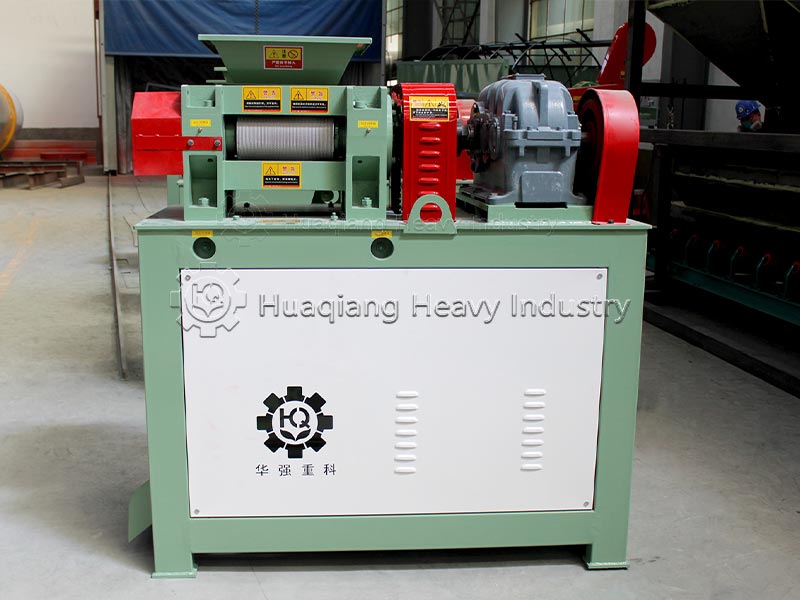
NPK Blending Machine Operating Cost Control Solution
Controlling the operating cost of NPK blending machine is mainly implemented from five dimensions: energy saving and consumption reduction, reducing parts wear and tear, reducing material loss, streamlining labor, and standardized operation and maintenance. This can significantly reduce the cost per ton of fertilizer produced in the long term.
First, optimize energy-saving renovations. All motors are equipped with frequency converters, allowing for speed adjustment of batching, conveying, and mixing equipment as needed, eliminating idle running and energy consumption; centralized production scheduling avoids frequent equipment start-ups and shutdowns that cause current loss.
Second, reduce replacement costs for vulnerable parts. Raw materials are screened before feeding to remove stones and hard lumps, reducing wear on mixing paddles, conveyor belts, and screens; bearings and chains are regularly lubricated, and preventative maintenance is performed to avoid sudden component failures.
Third, strictly control material loss and reduce waste. Vibration arch-breaking devices are installed in the silos to reduce material spillage caused by manual cleaning of blockages; the entire line adopts a fully enclosed conveyor structure, combined with pulse dust collectors to recover scattered powder, which is then reused in production, reducing raw material loss. Precise calibration of the batching sensors ensures that the mixing ratio error is controlled within ±0.5%, preventing excessive nutrient levels and the scrapping of entire batches of materials due to mismatch. Mixing time is controlled within a reasonable range to avoid over-mixing and breaking particles, reducing fine powder loss.
Fourth, streamline manpower and standardize production management. Upgrade the PLC fully automated control system; standardize operating procedures and regularly train workers on proper feeding and equipment start-up/shutdown procedures to prevent downtime caused by misoperation. Balanced production scheduling and concentrated production reduce equipment downtime and improve unit capacity profitability.
Fifth, implement routine preventative maintenance. Develop daily and weekly inspection checklists to proactively identify potential problems such as motor overheating, belt misalignment, and silo blockage, minimizing downtime due to malfunctions. Before long-term shutdowns, empty the silos of raw materials to prevent fertilizer from absorbing moisture, clumping, and corroding equipment, reducing major repair costs and stabilizing the NPK blending fertilizer production line from the source, thus reducing overall operating costs.