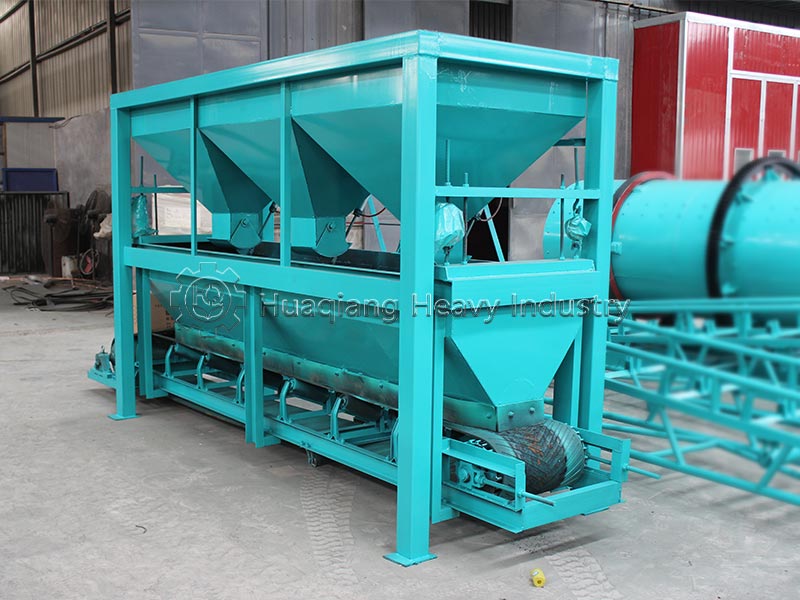
Maintenance Methods for Multiple Silos Single Weigh Static Batching System
The multiple silos single weigh static batching system serves as the core equipment for precise batching in fertilizer production lines. To ensure long-term, stable operation, it is essential to conduct daily inspections, periodic maintenance, and component overhauls to prevent batching deviations, material blockages, and weighing malfunctions, thereby guaranteeing continuous production flow.
Daily maintenance of the storage bins is crucial; periodically clear out caked or moisture-affected materials within the bins to prevent blockages at the discharge ports and material arching (bridging). Inspect the bin’s arch-breaking devices, as well as the seals and operational status of the discharge valves; promptly remove any adhering materials to ensure smooth and uniform discharge.
The weighing unit is a primary focus of maintenance. Static load cells must be protected from impact, overloading, and dust accumulation; ensure the load remains balanced, and periodically calibrate the zero point and batching accuracy to prevent weighing errors caused by accumulated dust or corrosion. Inspect the weighing support frame and vibration-damping connectors to ensure they are free of looseness or deformation, thereby eliminating any external forces that could interfere with accurate measurement.
Regarding the transmission and control components, periodically check the discharge motors and speed reducers for abnormal noises or excessive heat, replenish lubricants on schedule, and tighten electrical wiring terminals. Clean the control cabinets and dust filters to keep the electrical control systems dry and dust-free, preventing short circuits and signal interference.
Seals and wear parts require periodic replacement. Inspect the flexible connections and sealing gaskets at all discharge ports; replace any damaged components immediately to minimize dust spillage and material leakage. At the end of each shift, clean the surface dust from the fertilizer production machine and apply anti-corrosion and rust-prevention treatments.
Additionally, establish a system for regular inspections to identify potential hazards—such as material blockages, stuck valves, or weighing drift—and adjust the material discharge rhythm based on the moisture content of the raw materials. Through standardized maintenance practices, the rate of equipment downtime caused by malfunctions can be effectively reduced, while simultaneously enhancing batching accuracy and extending the service life of the equipment.