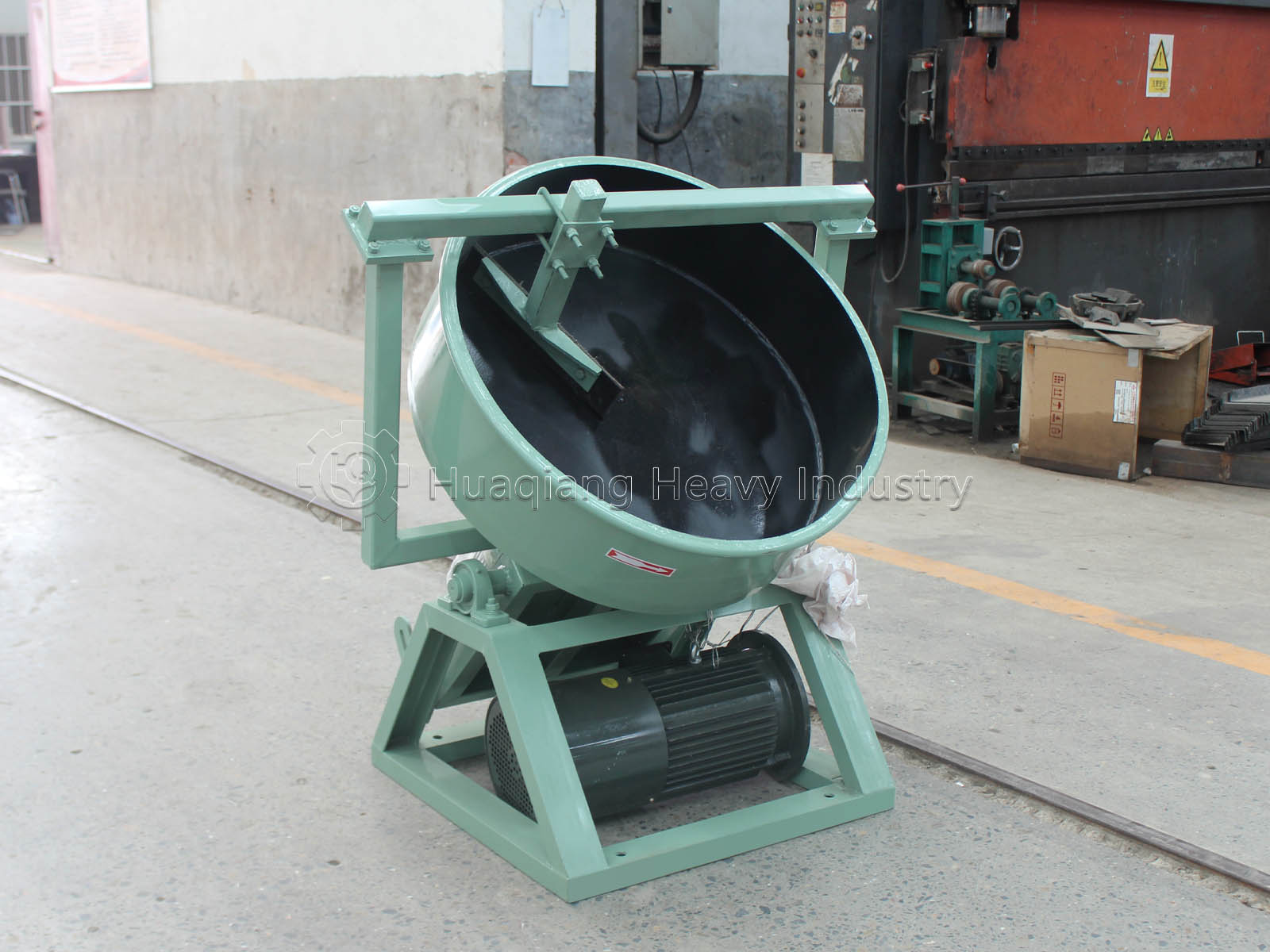
Common Problems in Bio-organic Fertilizer Production Lines
Bio-organic fertilizer production lines require consideration of fermentation, live bacteria retention, and molding. Operational problems primarily focus on five areas: fermentation, mixing and granulation, live bacteria inactivation, environmental protection, and equipment malfunction.
The fermentation section is a high-frequency problem area. Improper control of raw material moisture content can lead to anaerobic fermentation, increased odor, and increased leachate if too high; conversely, too low moisture content results in slow composting. Inappropriate turning frequency, such as failure to turn the compost during high-temperature periods, can kill beneficial bacteria; insufficient turning can lead to undercooked materials and uneven composting. The mixing of some raw materials with straw or long fibers can easily entangle the turning equipment, affecting operational efficiency.
Faults frequently occur in the mixing and granulation stages. Improper timing of adding microbial agents during mixing, or excessive mixing time, can cause friction and heating, leading to the inactivation of a large number of live bacteria. When using extrusion granulation, excessively high raw material moisture content causes sticking to the rollers, while insufficient moisture content results in more broken material and a decreased granulation rate; disc granulation easily leads to uneven particle size and clumping, increasing the load on the screening process. Incomplete cleaning of material impurities can scratch the granulation rollers and screens.
Substandard finished product indicators are a core concern. High humidity and temperature in the storage or production environment accelerate the decay of live bacteria, leading to substandard live bacteria counts in the product. Imbalances in organic matter and nutrient ratios are often caused by inaccurate ingredient measurement and chaotic raw material proportions.
Environmental and supporting issues are also prominent. The fermentation area lacks sealed collection facilities, resulting in excessive odor and dust at the plant boundary; inadequate seepage prevention in fermentation tanks and wastewater ponds leads to leachate contamination of soil and groundwater. Clogged dust removal systems in the workshop cause dust accumulation, affecting operations.
Regarding equipment maintenance, powder leakage from the mixer shaft and frequent wear of seals occur; the turning machine’s track deviates, and the auger blades wear and deform; conveying equipment is easily clogged by wet materials. Lack of regular routine maintenance easily causes downtime of the bio-organic fertilizer equipment, disrupting the overall production rhythm.