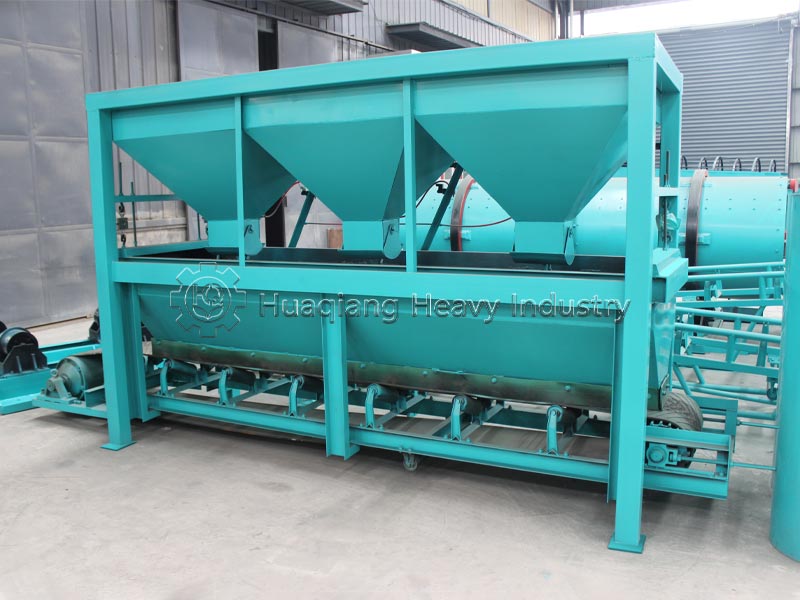
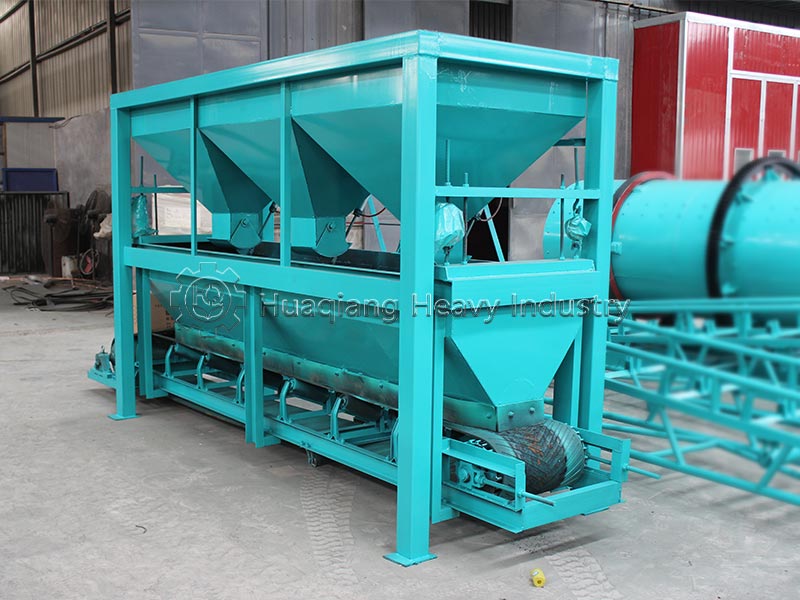
Maximizing the Value of Multiple Silos single weigh static Automatic Batching Systems
To maximize the value of a Multiple Silos single weigh static Automatic Batching Systems, a comprehensive approach is needed, focusing on four key areas: precise calibration, standardized operation, data management, and maintenance.
1. Precise Parameter Calibration: Based on the specific gravity and particle size of different fertilizer raw materials (organic fertilizer compost, NPK compound fertilizer raw materials, etc.), precisely set the discharge speed, batching sequence, and weighing threshold for each bin. Through multiple trial runs and calibrations, control the batching error within ±0.5%; for raw materials prone to caking or with poor fluidity, install bin wall vibrators or arch-breaking devices to prevent discharge blockage and resulting batching imbalances.
2. Standardized Operating Procedures: Strictly adhere to the principle of “calibrate first, then feed.” Before each startup, verify the accuracy of the weighing sensors; store different raw materials in separate bins to prevent cross-contamination; use a continuous batching mode to avoid energy waste and batching errors caused by frequent starts and stops, adapting to the continuous operation rhythm of the bio organic fertilizer production line.
3. Enhanced Data Management: Utilize the system’s built-in data recording function to store raw material ratios, weights, and times for each batch in real-time, creating a production log for easy product quality traceability; regularly analyze batching data to optimize raw material ratios, reduce raw material loss rates, and improve fertilizer nutrient uniformity.
4. Regular Maintenance: Weekly cleaning of the inner walls of the bins and discharge ports to prevent scaling from affecting discharge accuracy; monthly calibration of weighing sensors and inspection of conveyor belts and valve seals; annual dust removal and circuit inspection of the system control cabinet to prevent electrical failures from causing production interruptions.
Through these measures, the system can achieve precise batching, efficient production, and optimized costs, fully leveraging its core role in organic and npk compound fertilizer production lines.