
【FAQ】What indicators should be considered when purchasing an NPK bulk blending machine?
Bulk blended (BB) fertilizer production is widely popular due to its low investment and flexible formulation. As a core processing unit, the selection of an NPK bulk blending machine directly determines the mixing consistency, finished product quality, and overall line efficiency. Mastering scientific selection criteria is crucial.
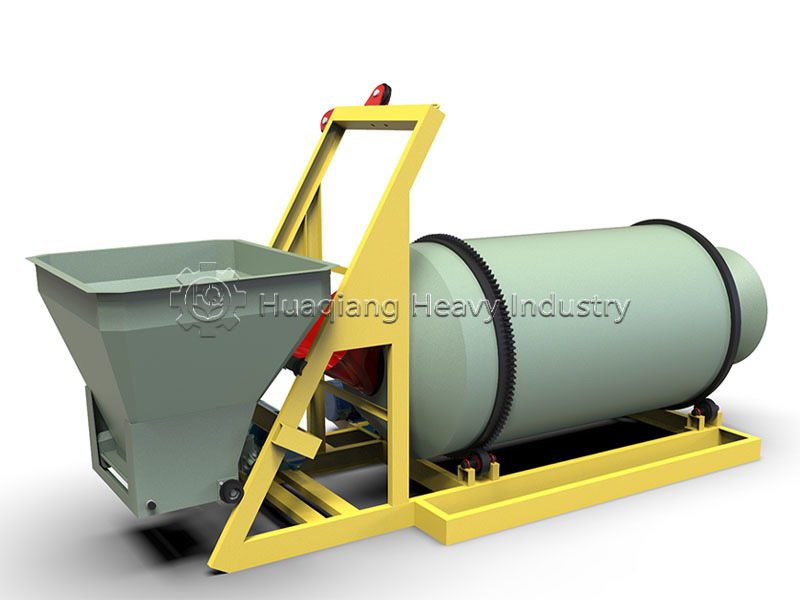
Primary Indicator – Mixing Uniformity: Granular nitrogen, phosphorus, and potassium raw materials differ significantly in density and particle size. Inferior blending machines easily cause material segregation and uneven nutrient distribution, resulting in finished products that fail to meet industrial standards. High-quality NPK bulk blending machines employ a three-dimensional spiral circulation mixing design, ensuring uniform mixing of all raw materials, with nutrient error controlled within 1%.
Material and Structure – Corrosion Resistance and Sealing: NPK bulk blending machines come into contact with corrosive fertilizer particles during operation; therefore, the inner liner and mixing components must be made of thickened corrosion-resistant steel. A fully sealed machine body effectively controls workshop dust, reduces raw material loss, and improves the working environment.
Common purchasing mistakes: Some buyers only pursue low prices while ignoring actual mixing performance; others choose mismatched machine capacities, leading to insufficient output or long-term equipment idleness. Investors should select the blender capacity based on actual daily output requirements. Standard NPK bulk blending machines have a simple structure, few vulnerable parts, and low daily maintenance costs. When purchasing, priority should be given to mixing accuracy, corrosion resistance, and capacity matching; proper selection is essential to building a stable and economical BB fertilizer production line.