Dust Reduction Methods for NPK Blending Fertilizer Mchine
Effectively suppress dust emissions from NPK blending fertilizer production lines by addressing multiple aspects including sealing, conveying, process, dust removal, and material control.
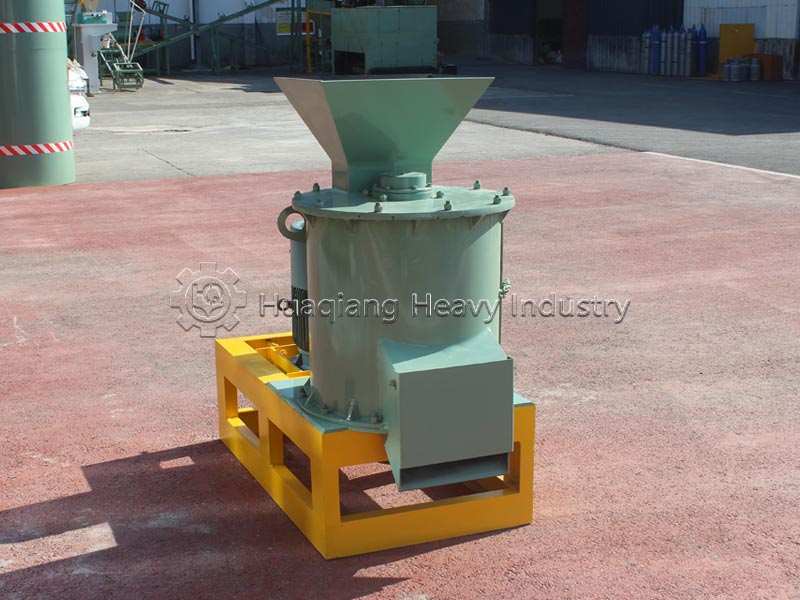
Ensure complete sealing of the NPK blending machine. Install dust covers and flexible connections at the feed and discharge inlets of the silos. Ensure the mixer cylinder and cover are tightly sealed to prevent dust leakage. Install sealed protective shells on elevators and belt conveyors throughout their operation, and add dust baffles at transition bends to block dust overflow channels and reduce fugitive dust dispersion.
Optimize material conveying drop height. Reduce the material drop height, replace steep slope conveying with gentler transfer, and install buffer chutes and guide baffles at locations with large drop heights to mitigate material impact and dust generation. Install sealed sidewalls on belt conveyors to prevent material spillage and reduce floating dust generated by particle collisions.
Install a professional dust removal system. Install baghouse dust collectors and suction ports at dust-generating points such as the batching inlet, mixer inlet and outlet, and packaging outlet to centrally extract dust. Regularly clean dust collector filter bags to ensure efficient ventilation and dust extraction. Collect dust for reuse in production, reducing raw material loss.
Adjust raw materials and production processes, control raw material moisture content, and appropriately humidify to suppress dust and avoid excessive dry powder. Pre-screen and crush agglomerated materials to reduce the proportion of fine powder. Slow down the feeding speed, avoid sudden feeding, and operate at a uniform speed during mixing to reduce material agitation and dust generation.
Standardize daily operation and maintenance management, regularly clean dust accumulation inside equipment to prevent secondary dust generation from material falling off. Inspect and replace aging seals and flexible connections to prevent seal failure and dust leakage. Ensure proper ventilation in the workshop, keep work areas clean, reduce the stirring up of surface dust, and comprehensively improve the dust environment in the workshop.