
【FAQ】How Does Blending Machine Maintenance Affect Production Stability?
BB fertilizer production relies entirely on physical mixing, requiring no heating, granulation, or chemical reactions. Although the process seems simple, the stability of the entire production line highly depends on the core mixing equipment—the NPK blender and NPK bulk blending machine. Most sudden shutdowns and defective products are often not due to incorrect formulations, but rather to neglect of routine equipment maintenance.
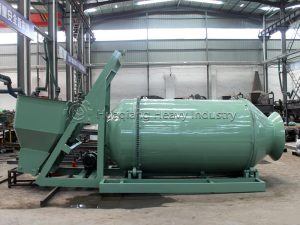
Direct Consequences of Neglected Maintenance: After continuous operation, fine fertilizer powder residue adheres to the inside of the mixer housing and on the mixing blades. If not cleaned promptly, this residue gradually hardens and clumps, encroaching on the effective mixing space, leading to decreased mixing uniformity and ultimately causing batch-to-batch fluctuations in the nutrient content of the finished BB fertilizer. Furthermore, prolonged contact with fertilizer granules can cause slight corrosion to the inner walls, shortening the lifespan of the NPK blender and NPK bulk blending machine.
Standardized maintenance procedures: After each shift, operators must clean any residual material from the machine; check the tightness of transmission components weekly; and check seals monthly to prevent dust leakage. These low-cost maintenance measures effectively ensure the uninterrupted and stable operation of the entire BB fertilizer production process. Standardized daily inspections and cleaning can prevent unexpected downtime, stabilize finished product quality, and reduce production waste. It is recommended to establish an equipment maintenance log to record the time of each maintenance, replaced parts, and any abnormalities, creating a traceable equipment management file.