How to Improve the Bio-Organic Fertilizer Granulation Process
Improving the Bio-Organic Fertilizer Granulation Process revolves around four key objectives: preserving live bacteria, increasing granule strength, reducing energy consumption, and stabilizing granule size. This can be achieved through four dimensions: raw material pretreatment, granulation parameter optimization, equipment upgrades, and post-processing improvements. Specific measures are as follows:
1. Refined Raw Material Pretreatment
Fermented and matured organic raw materials need to undergo secondary crushing, controlling the fineness to 40-60 mesh to improve material cohesiveness; adding an appropriate amount of binders such as bentonite and humic acid (2%-5% addition rate) to replace traditional cement binders, avoiding the killing of functional bacteria; strictly controlling the raw material moisture content to 25%-35%, as excessive moisture can easily clog the machine and deform the granules, while insufficient moisture leads to low molding rates.
2. Dynamic Optimization of Granulation Parameters
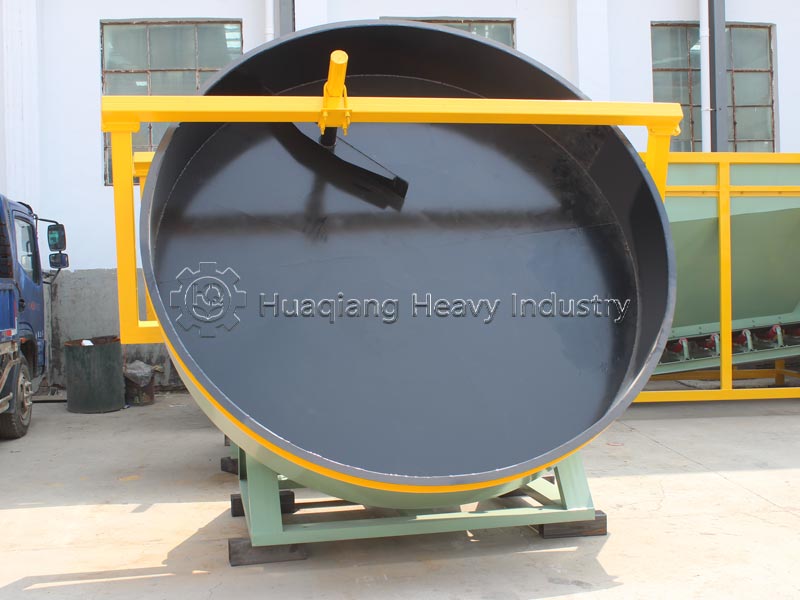
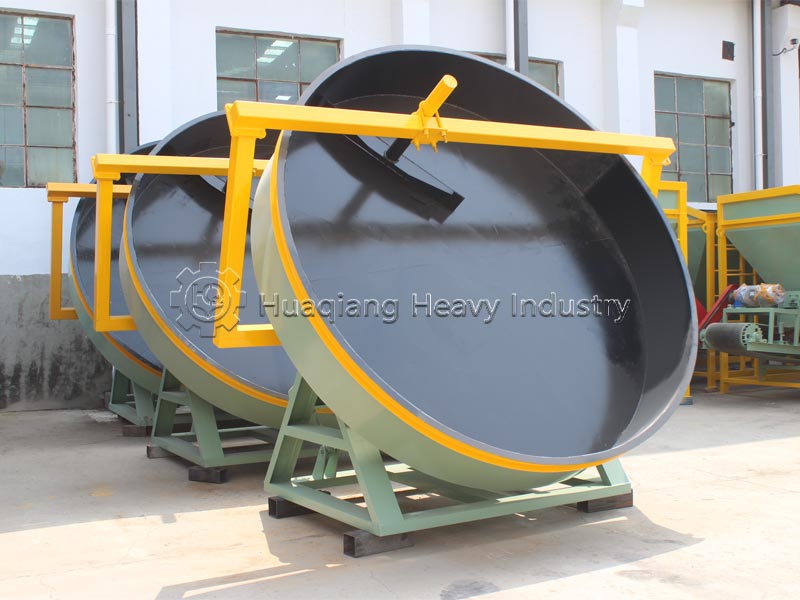
Adjust the core parameters of the granulator for different materials: for disc granulators, control the rotation speed at 15-25 r/min and the inclination angle at 40°-55°; for extrusion granulators, adjust the pressure to 8-12 MPa to avoid excessive pressure leading to bacterial inactivation; adopt a low-temperature granulation process, controlling the temperature throughout the process below 45℃ to ensure the survival rate of functional bacteria.
3. Equipment Upgrades and Adaptive Modifications
Install a variable frequency speed control system on traditional granulators to achieve precise parameter control; select a double-head extrusion granulator or a spherical shaping machine to improve granule roundness; add a post-spraying device for bacterial agents in the granulation stage to replace traditional mixing and reduce the loss of bacterial agents during the granulation process.
4. Improved Post-Processing Technology
Use low-temperature fluidized bed drying (temperature ≤ 50℃) instead of hot air drying to reduce the risk of bacterial inactivation; after drying, screen the granules using a grading sieve to remove unqualified granules and return them for re-granulation; after cooling, promptly coat the granules with a water-soluble coating agent to improve granule strength and provide sustained release protection for functional bacteria.