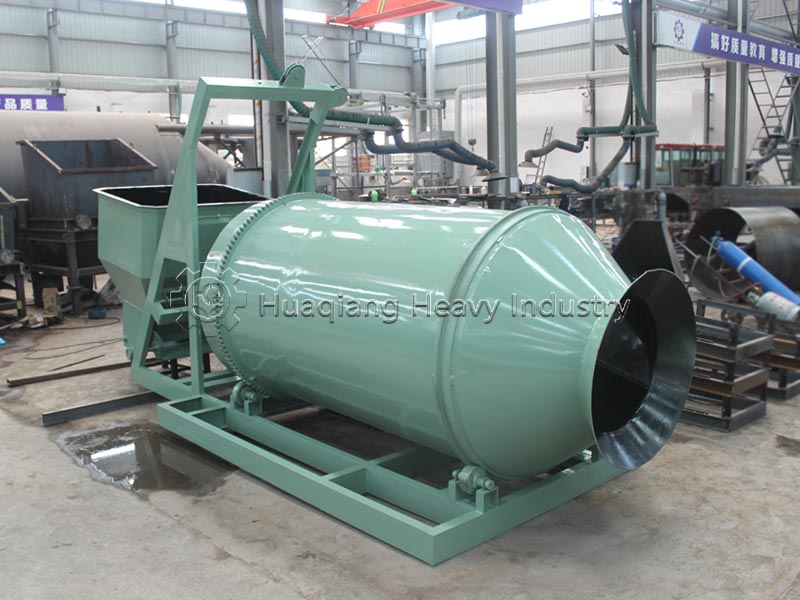
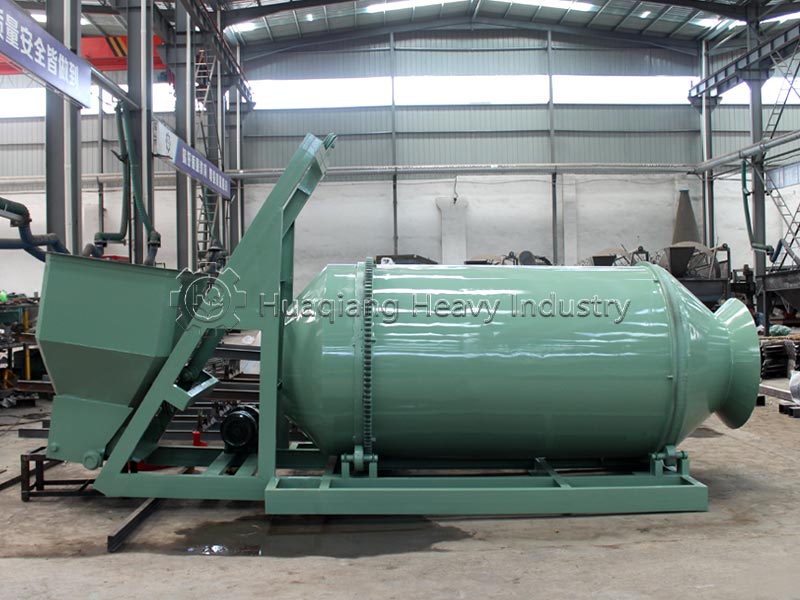
How to Implement Moisture-Proofing Measures for NPK Blending Maxhine?
Moisture-proofing for NPK blending machine requires comprehensive control over the entire NPK blending fertilizer production line, including raw material storage, equipment operation, finished product conveying, and the workshop environment. Considering the tendency of blended fertilizer raw materials to absorb moisture and clump, targeted sealing, dehumidification, and anti-condensation treatments are necessary to prevent material adhesion to equipment, component corrosion, and raw material failure. Specific practical measures are as follows:
1. Implement sealing and dehumidification modifications to the raw material silo. Use rainproof sealed silo tops, install silo wall vibrators and negative pressure dehumidifying fans, and lay moisture-proof linings inside the silo. Control the moisture content of raw materials before they enter the silo to prevent wet materials from sticking to the machine walls and clumping.
2. Provide full sealing protection for core blending equipment. Install sealing strips and dust covers on the gaps of the mixer, batching scale, and conveyor auger. Equip precision components such as bearings and motors with waterproof covers to prevent moisture intrusion and corrosion.
3. Insulation and anti-condensation measures are added to the conveying system. The conveyor belts, elevator hoppers, and conveying pipes are insulated. In winter, when there are large temperature differences in the workshop, heating devices are installed on the outside of the pipes to prevent moisture from condensing and sticking to the material.
4. Precise humidity control is implemented in the workshop environment. Industrial dehumidifiers are installed in the core areas of batching and blending to maintain a relative humidity of ≤60%. Good ventilation and drainage are ensured to prevent water accumulation and dampness on the floor. Dry and wet work areas are also separated.
5. Daily moisture-proof maintenance is performed on equipment. After shutdown, residual material inside the machine is cleaned promptly. Rust inhibitors are applied to metal parts. Moisture-proof desiccants and temperature and humidity alarms are installed in the electrical control cabinet. The integrity of seals is checked regularly, and damaged seals are replaced immediately.
6. Finished products are quickly packaged and conveyed. After being discharged from the equipment, the blended finished products are directly conveyed to the fully automatic packaging line via a sealed conveyor belt for immediate sealing, reducing moisture absorption during exposure in the workshop. Local dehumidification equipment is also installed in the packaging area.