Maintenance Cost Overview for Disc Granulation Production Lines
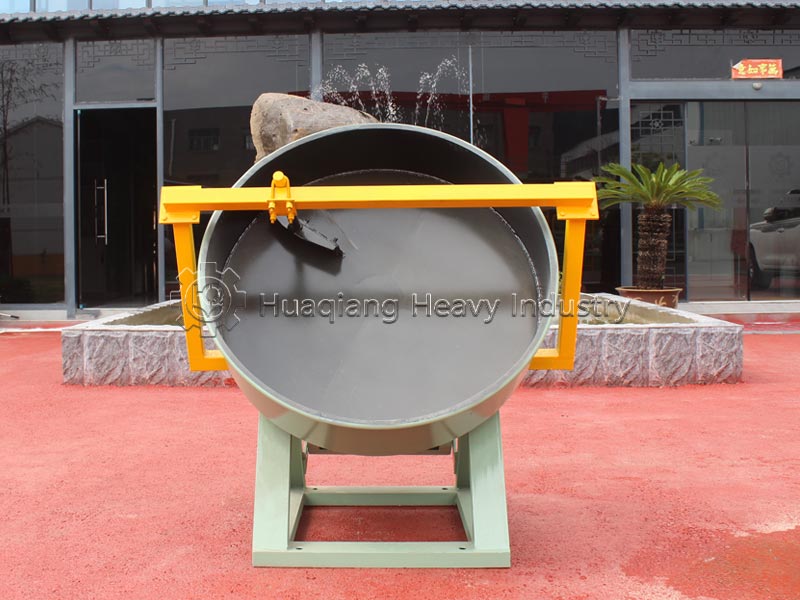
The overall maintenance cost for disc granulation production lines is relatively low, making them a highly cost-effective choice for the production of organic and compound fertilizers. The machine features a simple structure; its core components consist solely of the granulation disc, drive motor, reducer, cleaning scraper, and liner plates. Consequently, the number of wear parts is significantly lower than that found in drum, roller-press, or “two-in-one” granulation equipment.
The primary wear parts are the disc granulator’s wear-resistant liner plates and the anti-clogging scrapers. Under standard operating conditions, the liner plates typically last 6 to 18 months, while the scrapers require replacement every 3 to 6 months; spare parts are highly interchangeable and affordably priced. Components such as bearings and reducers merely require periodic grease lubrication; they experience minimal normal wear and have long replacement cycles for major components. Equipment maintenance is convenient, requiring no complete disassembly of the machine; workers can complete part replacements and disc cleaning maintenance in a short time, resulting in low labor costs for repairs and minimal production losses due to downtime.
Conversely, if the machine is subjected to prolonged, improper full-load feeding—especially with materials containing high levels of sand and gravel impurities—or if daily cleaning of accumulated material within the disc and scheduled maintenance are neglected, the wear on liner plates and scrapers will accelerate. This can lead to bearing overheating, frame vibration, and accelerated aging of the transmission system, thereby driving up maintenance expenses. Furthermore, selecting a disc surface made of inferior carbon steel increases the risk of premature deformation and wear, necessitating more frequent replacements.
By selecting the appropriate model equipped with wear-resistant liner plates, and by strictly adhering to uniform feeding practices, daily disc cleaning and dust removal, and regular inspections and lubrication, maintenance costs can be further minimized. Overall, under proper operation and maintenance, disc granulation lines entail low annual expenditures on consumables and upkeep. With their low failure rate and durable, trouble-free performance, they are an ideal solution for small-to-medium capacity production facilities seeking to achieve long-term cost reductions in their operations.