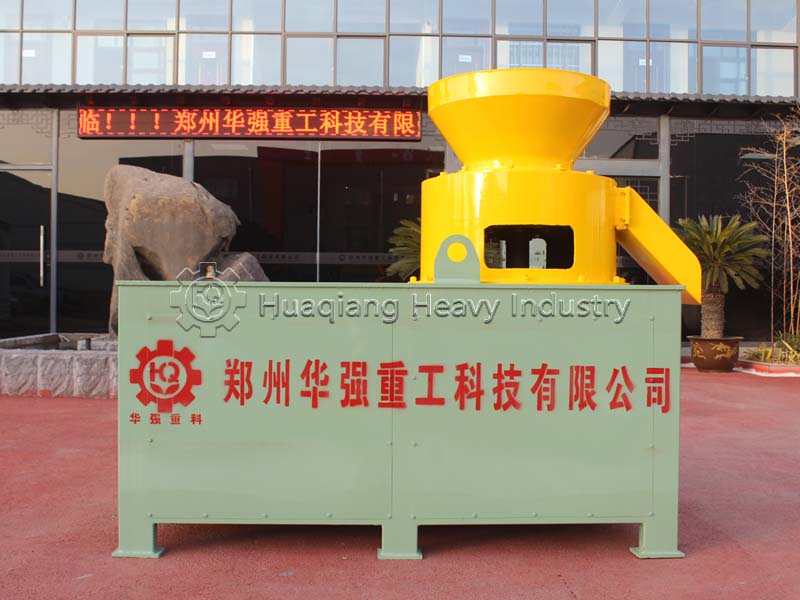

How to Reduce Damage to NPK Blending Machine
Reducing damage to NPK blending machine requires a four-pronged approach: raw material pretreatment, standardized operation, regular maintenance, and environmental control, to reduce equipment operating load and extend its service life.
1. Raw Material Pretreatment
Before feeding, nitrogen, phosphorus, and potassium raw materials should be screened to remove stones, metal lumps, and other impurities, preventing hard materials from entering the equipment and damaging the mixing paddles or scratching the inner wall of the hopper.
2. Strict Adherence to Standard Operating Procedures
Follow the principle of “start under no load, feed at a uniform speed,” strictly prohibiting starting with a load or feeding excessive amounts at once, to avoid excessive load on the NPK blending fertilizer production line at startup; control the feeding amount to 60%-80% of the equipment’s rated capacity to ensure sufficient movement space for the materials and reduce friction and wear on the mixing components; when shutting down, stop feeding first, and wait until the material in the chamber is completely discharged before turning off the power, preventing material residue from caking and damaging the equipment during the next startup.
3. Enhanced Regular Equipment Maintenance
Inspect the wear of vulnerable parts such as mixing paddles, conveyor belts, and bearings weekly, and replace deformed or cracked parts promptly; regularly lubricate bearings and reducers to reduce friction during mechanical operation; regularly clean residual materials from the inner wall of the hopper and the discharge port to prevent corrosion of equipment components.
4. Optimized Equipment Operating Environment
Install the equipment in a dry, well-ventilated area to avoid moisture causing motor dampness and metal parts rusting; avoid continuous operation for extended periods, stopping the equipment for 10-15 minutes every 4-6 hours to dissipate heat and reduce temperature rise and wear on the motor and reducer.