
Straw Crusher
Our Services
Have a
project in
mind?
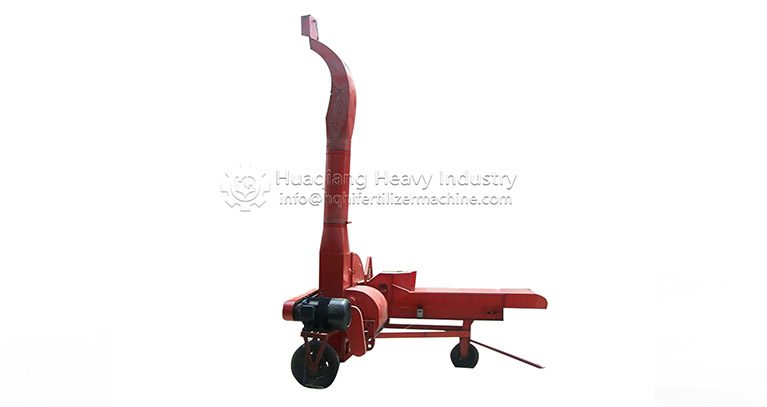
Straw Crusher
A straw crusher is a specialized piece of equipment for crushing and processing coarse fibrous materials such as crop straw. Existing straw shredders fall into four main categories: chopping, hammer-mill, kneading-chopping, and combined shredding types. Based on their overall structure, straw crushers are divided into two categories: horizontal straw crushers and vertical straw crushers. As different types vary in structural features, performance parameters, and shredding principles, users should select the appropriate model based on their specific requirements.
The core technology of straw crushers has been evolving around the concepts of “high-efficiency crushing, low energy consumption, and broad adaptability”. The technology has advanced from the original single hammer-mill design to a diverse range of types, including chopping, kneading-chopping, and combined systems. In recent years, new types of equipment such as low-speed straw shearing crushers and shear-type straw crushers have emerged, providing new technical solutions to the problems of high energy consumption and large particle size of traditional hammer mills.
System Composition and Technical Architecture
The technical architecture of straw crushers can be divided into the following levels according to type: Chopping crusher: mainly composed of upper shell, lower shell, feed port, angle steel frame, hammers, blades, etc. It achieves initial shredding by chopping the straw with blades.
Hammer-type shredder: Primarily composed of an upper machine body, feed hopper, lower machine body, rotor, hammers, fan, discharge pipe, base frame, and motor. Material is pulverized through the impact of high-speed rotating hammers. The hammers can be designed with a symmetrical, stepped, dual-hole structure to extend the shredding duration.
Kneading-and-chopping-type shredder: Features a specially designed kneading housing and shredding housing. Material is first chopped into segments by blades within the kneading housing and then transformed into fibrous strips through the combined action of hammers and toothed racks.
Industry Applications and Process Compatibility
Straw shredders are suitable for various industries. In the organic fertilizer industry, shredded straw is mixed with livestock manure for composting. In the animal feed industry, straw is processed into feed for livestock and poultry. In the biomass energy sector, shredded straw is used to produce fuel pellets. For field applications, straw is shredded directly and returned to the soil.
Material Suitability Analysis
Straw crushers are highly adaptable to various materials. Raw material types: It can process a wide range of materials, including corn stalks, wheat straw, rice straw, cotton stalks, peanut vines, sweet potato vines, and tree branches. Raw material length: There are no restrictions on the length of the input material. Moisture content: It can handle both dry and wet straw, although excessive moisture content may affect shredding efficiency. Processing fineness: The output size generally ranges from 1 to 30 millimeters.
Key Selection Criteria and Procurement Recommendations
When selecting a straw crusher, the following key points should be considered: First, select the type: based on the characteristics of the raw materials and the requirements of the finished product. Opt for a chopping type for coarse processing of long straw; a hammer mill type for fine shredding; and a kneading-chopping type for feed processing.
2. Structural design: Select based on site conditions. Choose a horizontal model for large-scale continuous operations, and a vertical model for materials with high moisture content.
3. Processing capacity: Select the appropriate model based on daily throughput. Choose a small model (0.3–0.5 tons/hour) for family farms; a medium model (0.5–3 tons/hour) for small-to-medium processing plants; and a large model (5–10+ tons/hour) for industrial-scale production.
4. Power configuration: Select based on the operating environment. Choose an electric motor drive for stationary operations, and a diesel engine or tractor-powered unit for field operations.
5. Equipment quality: Prioritize models with casings welded from high-quality steel. Pay attention to the material of the hammers and the quality of the screens.
6. After-sales service: Choose a manufacturer with comprehensive after-sales support to ensure access to installation guidance, operational training, and timely maintenance services.